
Design
How to Migrate a Squarespace Website to WordPress
By Max Tymoshyn6 min read
I wanted to take a Squarespace website, keep its design as a reference, and make the content editable in WordPress. In the demonstration, I started by saving a local copy of the site. Then I used that copy to build a WordPress version on my laptop before putting it on hosting.
The workflow has three parts: mirror the public website, rebuild it in WordPress using Local and WordPress Copilot Advanced, then test and publish the replacement. Keeping the existing site online gives you something to compare against throughout the move.
Choose what you need to migrate
If you mainly want to move text and blog posts, check Squarespace’s built-in export first. It produces a WordPress-compatible XML file for supported content. It does not include your site’s design, custom CSS or every type of page and block. Squarespace lists what the export includes and leaves out.
The method below is useful when the existing design matters. A website mirror captures the public pages and assets so the AI has a concrete reference for the rebuild. You still need to create WordPress templates and editable content from that reference.
Before starting, list the pages and features you want to keep. Include the less obvious ones: individual project pages, blog posts, contact forms, galleries and mobile navigation. A public capture cannot transfer customer accounts, orders, payment details or member-only content. Those need their own transfer plan.
1. Create an empty WordPress site in Local
Local is a desktop app that runs WordPress on your laptop. This lets you work on the replacement while the Squarespace site stays online.
- Open our Local download and setup links, download the installer for your operating system, and install the app.
- Open Local and choose Create a new site. Give the site a name, choose its environment, and create your WordPress administrator account.
- Start the site. Click WP Admin and sign in to check that WordPress is running.
- Use Open Site Folder to find the local files. WordPress lives under app/public; the theme folders are inside wp-content/themes.
Keep the mirror in a separate folder from this WordPress installation. It will be the reference you compare the new site against.
You will also need a terminal-capable AI that can work with local files. Our skill pages provide installation instructions for supported runtimes, including Claude Code, Codex and Gemini CLI. Follow the instructions for your runtime and restart it if the new skill does not appear.
2. Mirror the Squarespace website
Get Mirror Website from our website. The page includes the download and installation instructions.
Give the AI your public Squarespace URL and a destination folder. Ask it to check the sitemap and navigation so you have an explicit page list before the capture starts.
Use Mirror Website to capture my Squarespace website at [website URL] as a local reference. Capture the agreed pages and assets, compare desktop and mobile, and record missing or unverified behavior. Save the mirror in [reference folder].
Open the local preview and compare it with the original website. Look at the fonts, images, page links, galleries, videos and mobile menu. Record anything that failed to load or could not be captured.
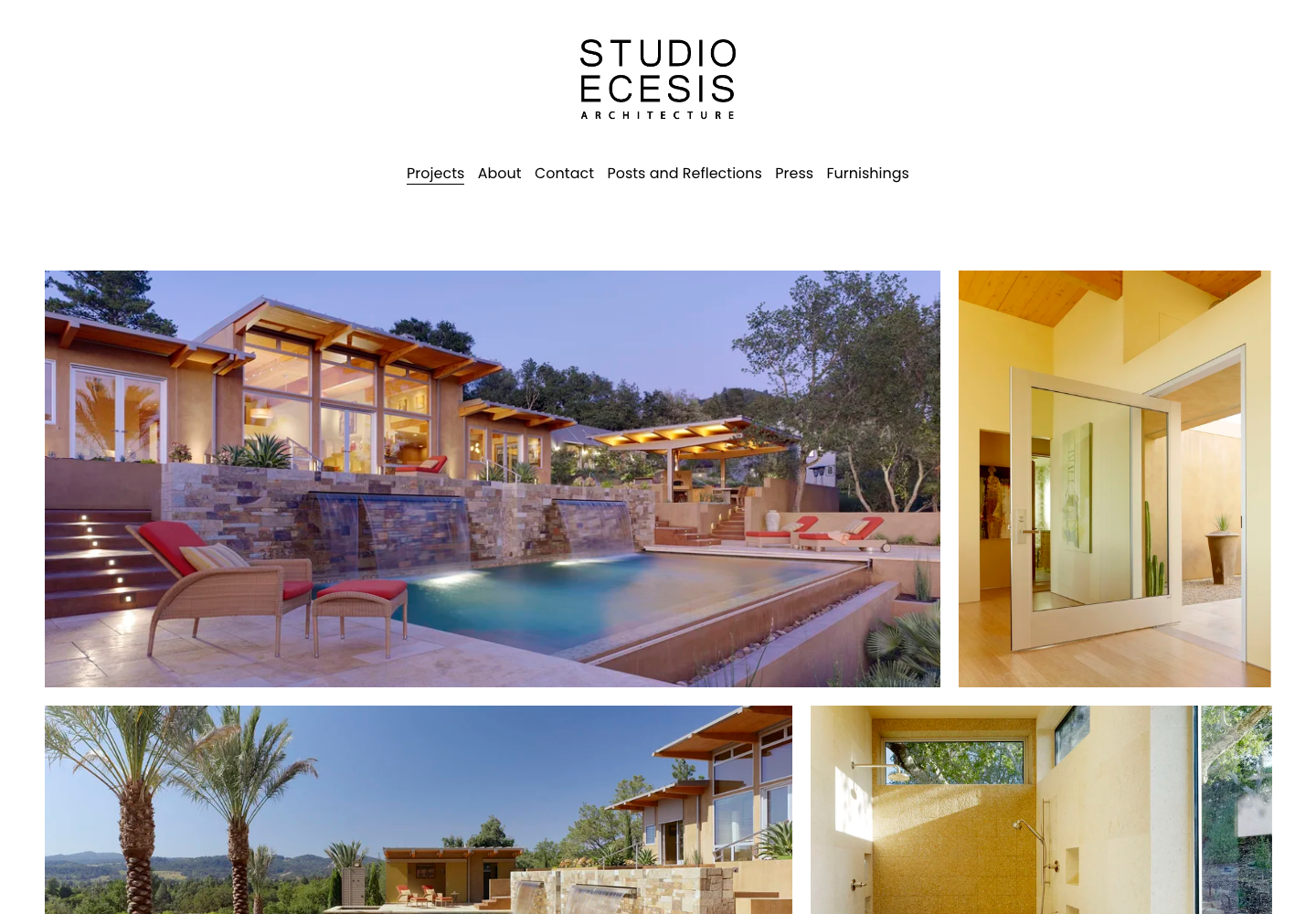
Once the capture is a useful reference, keep it unchanged. The next stage happens in the separate WordPress site you created in Local.
3. Rebuild it with WordPress Copilot Advanced
Use WordPress Copilot Advanced for this step. The Advanced version handles the theme code and the rebuild. The basic WordPress Copilot focuses on content and administration, so it is not the version to choose for converting the captured site.
Install Advanced using the instructions on its page. Open your terminal AI in the destination theme folder and start with its local-only workflow:
Use WordPress Copilot Advanced in local-only mode. My Local site is [local URL] and my mirror is [reference folder]. Inspect the reference, propose editable pages, templates and repeated content, then build the agreed website in a separate theme. Preserve the current page URLs where possible.
Review the proposed content structure before the build goes too far. Ordinary pages, blog posts and repeated collections need to be easy to find and edit in WordPress. In the demonstration, furnishings became a collection with individual entries in the admin panel.
Ask the AI to preserve the approved design and content during this stage. If it needs a paid plugin or another service, have it explain that dependency before adding it.
Then try the editing yourself. Change a heading, replace an image, update a menu item and edit one item from a repeated collection. Open the relevant pages and confirm that each change appears. A site can look correct while still leaving important content hard-coded in the theme.
4. Check the local website before publishing
Work through your original page list. Checking only the homepage leaves too much of the migration untested.
- Open every page directly and reload it. Check that navigation, footer links and images lead to the right places.
- Compare desktop and mobile layouts with the reference. Test menus, galleries and videos on both.
- Make representative edits in WordPress and confirm they appear everywhere that uses the same content.
- Test forms and their delivery. Check search, bookings, checkout or memberships if your site uses them; use safe test modes for transactions.
- Confirm images are stored with the new site instead of depending on the old Squarespace URLs.
Pay attention to SEO during the move. Preserve existing URLs where practical. When a URL must change, record the old address and its new destination so you can add a permanent redirect. Check titles, descriptions, headings, image alt text, internal links and the sitemap.
These checks reduce avoidable migration problems; they cannot guarantee unchanged search rankings. Keep local and staging versions out of search results, then verify that the final public site can be indexed when it launches.
5. Move the complete WordPress site to hosting
Once the local version passes your checks, choose the migration method supported by your host. You need the complete WordPress site: database, uploads, theme and required plugins. Uploading the theme alone will leave behind the content and settings stored in the database.
Local Connect can push a site to WP Engine or Flywheel. For another host, use that provider’s supported WordPress migration process. The Local Connect documentation explains the supported hosting connections.
Keep the Squarespace website available while you test the hosted replacement on a staging or temporary address. Check that local URLs have been replaced correctly and that the site works over HTTPS. Retest forms and email delivery on hosting; a successful local test does not prove delivery works on the server.
Before changing the domain, save a backup and confirm how you would restore the previous site. Then point the domain to the new hosting, activate any required redirects and repeat the main checks on the real domain.
Do not cancel Squarespace until the new site is verified and you have confirmed that its images and other required assets no longer depend on the old site.
Optional: redesign after the migration works
After the WordPress version was running in the demonstration, I made another pass on the design. That included a new hero, changes to the header and footer, and a different way to present projects and furnishings.

If you want to explore a new direction, Website Mockup lets you create and compare concepts before handing an approved design to Advanced. You can skip this step when keeping your current design.
Get the tools and follow the next build
Download Mirror Website and WordPress Copilot Advanced from our website. Each page includes its own setup instructions. Keep the migration checklist open while you work through the build.

I’m Max Tymoshyn, founder of Norml Studio. We design and build websites, and help teams keep them usable as their content and business change. You can see our work or follow me on Instagram for more website builds and demonstrations.
See more Norml in Google Search
Add Norml as a preferred source