Website
$10K – $50K
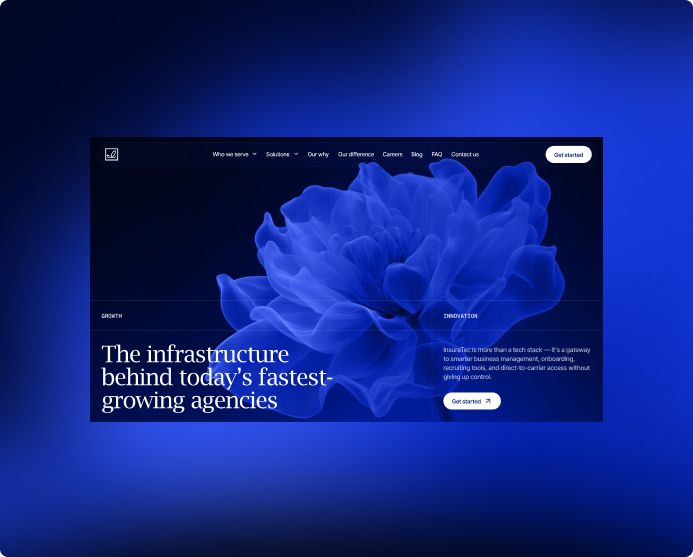
Marketing and business sites — the site that sells you.
Typically 3–18 months
A new build or a full redesign · live in month three
Book a call
Real ranges by what you're building. The exact number comes from a scoped proposal — but here's where it lands.
Something bigger than any of this? We'll scope it →
Marketing and business sites — the site that sells you, gets found, and converts.
Websites start at $10,000. Most land between $10K and $50K, depending on how complex the site is. That covers a new build or a complete redesign — if you already have a site that works and want changes or a few new pages, that's a smaller scope, and it costs less.
Three months to live. We plan in quarters, and a quarter is the fastest we go. Month three puts your site up and working; the quarters after that keep making it better. Depending on complexity, that runs out to 18 months.
A website is 500 to 2,000 human hours of work. That's where the number comes from.
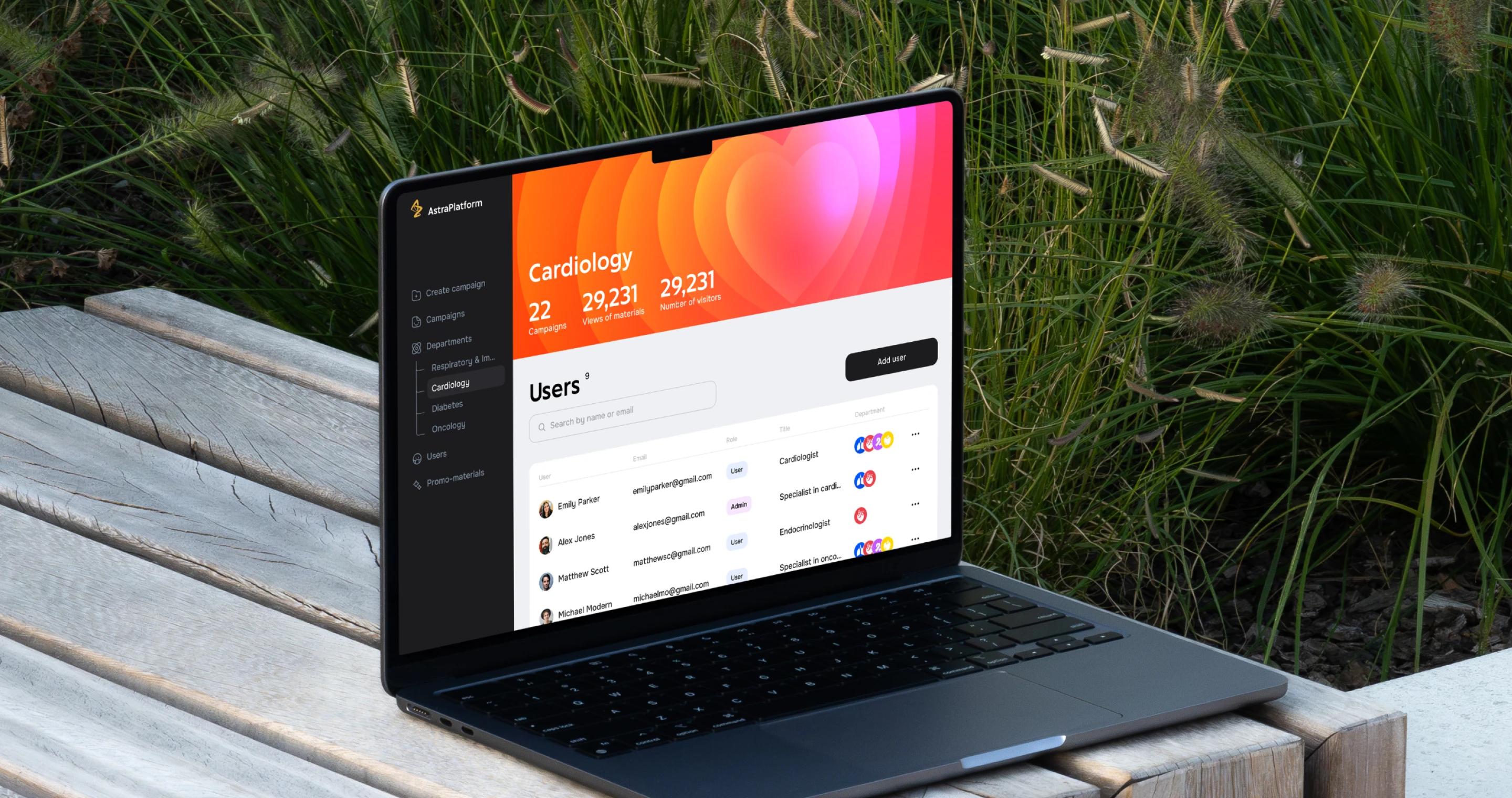
Products with users, data, dashboards, and logic underneath — software you run a business on.
From $30,000 for an MVP. A full product runs to $150K, depending on what it has to do. It's a different job from a website, so we price it, staff it, and stage it separately.
Three months to an MVP, typically. We open with Discovery, then a Proof of Concept (PoC) — proving the hard part works before you fund the rest — then the MVP, the smallest version people can use. Engagements run 3 to 24 months as the product grows.
Updates, backups, security, monitoring — plus monthly QA and the work you send us. A flat monthly fee, in three levels.
See Norml Care →Content, technical SEO, and authority building — the engine that turns a website into traffic, and traffic into pipeline.
Book a call →Care and SEO are website tracks. Web apps take neither — what a product needs after launch is engineering, and we scope that with you.
Because the specifics decide it, every time. We can fix-price plenty — and we do, once a project is scoped. But up front, two projects that look identical rarely cost the same.
Usually the job is the same shape. What changes is the amount of content, its type, and how complex it is — then the depth of the add-ons on top: motion, extra pages, e-commerce. And then there's pace: we can go slower and cheaper, or faster and more expensive.
Often the number starts on your side. You have a budget in mind, or a date you have to hit — so it isn't only what we're building, it's how fast we need it. Sometimes hitting the date means cutting scope. What you actually need is what sets the number. So we show you the range and exactly what moves it, then scope it properly and hand you one fixed figure to commit to.
A new site or a full redesign is 500 to 2,000 human hours, across a team lead, a project manager, a brand designer, a UX designer, and a developer. That's what the number reflects. If you need changes to a site that already works — rather than a new one — that's a smaller scope, and it costs less.
No. Three months is when a website goes live and starts doing its job — we plan in quarters, and a quarter is the fastest we go. Below that we'd be cutting design or QA. After launch, putting more of the team in parallel can compress the iterations, which costs more, not less.
A discovery call. We walk through your project against the drivers above and send a fixed written proposal — usually within a few days. That's the number you commit to.
There's a floor, and it isn't arbitrary. Building well takes a stack we pay for whether your project is big or small — AI, the subscriptions, the tools we plan, research, and build traffic with — plus the operations that get it shipped on time. A small one-off can't carry that overhead.
Where we're genuinely efficient is mid-size work: AI on the mechanical parts, a senior team, and a small one. That's how we move fast without giving up quality — and it's also why we're the wrong shape for tiny jobs. For some projects we'd be overkill, and we'd rather say so.
Often, yes — we think in years, not projects. Our average client relationship runs about three and a half years, and our longest clients are past eight. So if a smaller piece is the first step toward something bigger, we'll scope that first sprint with you. What we want first is a short conversation to work out whether we're a fit — that's the part worth getting right, for both of us.
The expensive part was never the typing. AI moves the mechanical work fast; what you pay for is the judgment — architecture, design, security, the edge cases — and that stays with engineers who have built this before.