Staff keep it current
A publishing system built around the people who actually post means term dates and notices are right because updating them is easy.


An education website serves two completely different visits. One person is choosing between three schools; the other needs next week’s calendar in forty seconds on a phone. Most sites are built for the first and fail the second, or the reverse. Norml designs and builds the structure that handles both — and hands it to staff who are not web people.
A few clients we’ve worked with










School website design for the two people who actually use it — a prospective parent deciding, and a current parent looking something up — with a site your own staff can keep current.
A prospective parent and a current parent land on the same homepage, and it is optimised for whichever of them the last redesign cared about.
The calendar, the newsletter and the lunch menu live in three different systems, none of which matches the site.
Staff and department pages were filled in once at launch and have been wrong since the second staff change.
Curriculum pages read like a policy document, because they were pasted from one.
Everything goes through one person in the office who knows how to log in, and when that person is out nothing gets published.
Schools and institutions publish constantly, to families, students and staff, through people whose job is not the website.
A publishing system built around the people who actually post means term dates and notices are right because updating them is easy.
Most visits are someone looking for one specific thing quickly. Structure matters more here than almost anywhere.
Prospective families following an admissions route should never have to guess what the next step is.
Seven things, in the order we do them. Website design for schools is mostly about separating the two visits and making the site survivable by staff who have a day job.
The first architectural decision. Which pages persuade a family choosing a school, which pages serve a family already in it, and where they meet. Everything downstream follows, and almost no institutional site does it deliberately.
Rather than one Curriculum page covering everything. That is also how the pages get found: a parent searches for the programme, the year group or the subject, not for the institution they have not heard of yet.
Enquiry, open-day booking, application — designed as one journey with tracking at each step, so you can see where families stop rather than guessing. Where an existing application system is in place, we route into it rather than replacing it.
Calendar, term dates, newsletters, policies, staff contacts and closures — the pages that get the most traffic and the least design attention. Fast, findable, and correct on a phone at 7am.
Components, states and responsive rules, so the tenth department page looks like the first and a new staff member does not need a designer.
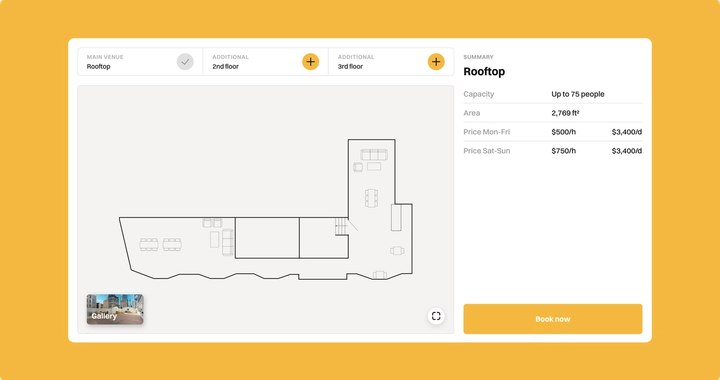
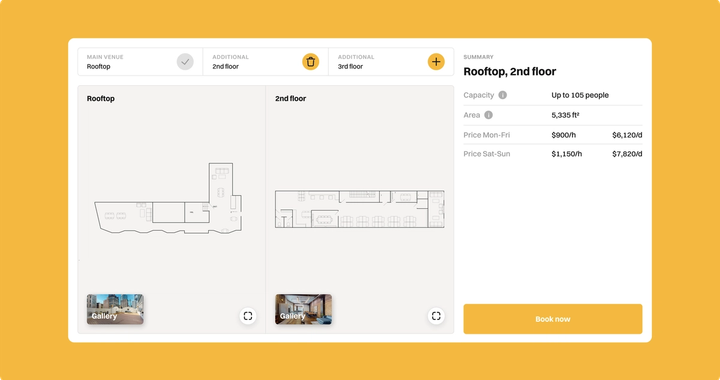
Structured so a department head or an office administrator publishes a newsletter or updates a staff list alone. The Farm Soho runs a 500-plus page content system this way, managed by an editor with no developer on call, and AstraZeneca is the same problem at enterprise scale.
Accessibility treated as a build requirement rather than an audit you fail later — publicly funded and public-facing institutions get held to it — plus Search Console, analytics and admissions conversion configured at launch.
Reviews from the companies we have built and maintained websites for.
Read every review on Clutch“We didn’t choose them to be impressed — we chose them because we knew they’d deliver high-level results with no risk. As a CTO myself, that’s exactly what I look for in a long-term partnership.”
“And, you know, the great part about the fact that you hit the goal, it's not that you had to compromise anything that you were doing, because, honestly, the end result far exceeded what we could have imagined.”
“I would just say that you deliver on quality … I just thought we clicked, and you delivered what we were looking for.”
“Norml Studio's professionalism and responsiveness were impressive.”
The scope follows the size of the institution and how many departments publish. A typical engagement hands over the following:
A page map covering every URL, which visit it serves, and what it has to prove.
A Figma design system with components, states and responsive rules.
Programme, department, staff, news and policy page templates.
An admissions path designed end to end, with tracking at each step.
A build your office and department staff update without a developer.
A publishing workflow that works when the one person who knows it is away.
Analytics and Search Console configured, with admissions conversion tracked.
A handover session and every account and file in your name.
Our process
We read the analytics and follow both visits through the current site — a family choosing, and a family looking something up. The traffic usually says something different from what the last redesign assumed.
[ 01 ]The split between admissions and day-to-day, the page map and the URL plan, agreed in writing before anything is designed.
[ 02 ]Wireframes first, then the system in Figma. Programme, department and news templates, not a stack of static screens.
[ 03 ]The site and the publishing workflow behind it, built for staff rather than for developers.
[ 04 ]Redirects, analytics, Search Console, speed, then training for the people who will actually publish.
[ 05 ]No account layer between you and them. These are the Norml specialists this work runs through.

Founder & Architect

Co-founder · Design & Strategy

Full-Stack Developer

Full-Cycle SEO Specialist

QA Engineer

“I've spent 10 years working across development and marketing. I started as a developer, but design, SEO and advertising were already part of the job. That taught me to treat a website as one system: the business, the content, the design and the code have to work together. At Norml, I lead the architecture behind our work and stay involved wherever strategy, design, development and search meet.”
Max TymoshynFounder & Architect
Get started