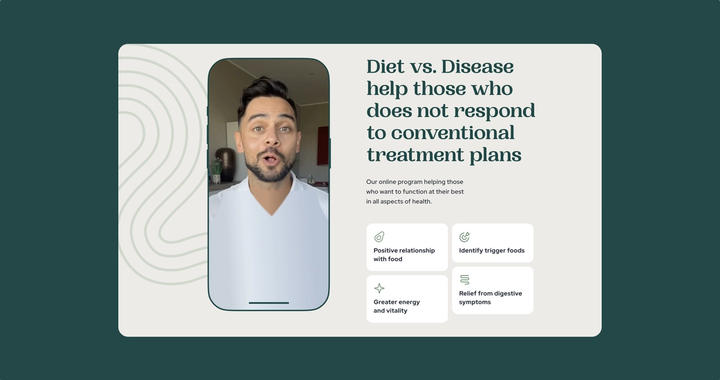
Each audience finds its path
Splitting the journeys means a funder reading about impact is not wading through intake information, and someone who needs help is not reading an annual report.

A nonprofit site has to convince a donor to give and help a beneficiary find real help, usually on the same page. Most try to do it with one voice and end up doing neither. Norml designs and builds the structure, the system and the site behind it — and hands it over so a two-person team can run it.
A few clients we’ve worked with

Nonprofit website design built around the two audiences that pay for everything — donors and the people you serve — with a site your own team can update without a developer.
The homepage asks for money and explains the mission in the same breath, so a donor and someone in need read the same paragraph and neither is served.
Programme pages were written for the annual report, not for the person who needs the programme tomorrow.
The donate button goes to a third-party page that looks nothing like the site, and the drop-off there is never measured.
Grant reporting needs numbers the website cannot produce, so somebody rebuilds them by hand every quarter.
The only person who knew how to edit the site left, and every change now costs a freelancer invoice the budget did not plan for.
An organisation has to speak to the people it serves, the people who fund it and the people who volunteer — often on the same page, with one small team behind it.
Splitting the journeys means a funder reading about impact is not wading through intake information, and someone who needs help is not reading an annual report.
A site staff can update without a developer is the difference between current information and a page nobody has touched since launch.
A clear, short route to donate or volunteer respects the moment someone decided to act.
Seven things, in the order we do them. What separates a nonprofit web design agency from a general one is not visual style — it is designing for a team that has no developer, no marketing department, and a board that needs to see where the money went.
The first architectural decision, and the one most sites skip. Which pages speak to funders, which speak to the people you serve, and where the two paths are allowed to meet. Everything downstream follows from it.
One page per programme and per real situation someone arrives with, rather than a single Services page. That is also what earns search traffic: the person who needs help is searching for their problem, not for your organisation.
The route from a page to a completed donation, designed as one journey rather than a button handed to a payment processor. Recurring versus one-off, the ask amounts, what happens after, and tracking on every step so you can see where people stop.
Numbers a board and a grantmaker recognise, laid out as a component you can update, not a graphic somebody has to redraw. We will not invent an impact figure — the design accommodates whatever your programme data genuinely supports.
Components, states and responsive rules, so the tenth programme page looks like the first and a new campaign does not need a designer. This is what keeps the site from degrading the year after launch.
WordPress, structured so a programme manager can add a page, swap a photo or publish a report without touching code. The Farm Soho runs a 500-plus page content system this way, managed by an editor with no developer on call.
Search Console, analytics and donation tracking configured at launch, plus accessibility treated as a build requirement rather than an audit you fail later. Public-facing organisations get held to it, and retrofitting costs more than building it in.
Reviews from the companies we have built and maintained websites for.
Read every review on Clutch“We didn’t choose them to be impressed — we chose them because we knew they’d deliver high-level results with no risk. As a CTO myself, that’s exactly what I look for in a long-term partnership.”
“And, you know, the great part about the fact that you hit the goal, it's not that you had to compromise anything that you were doing, because, honestly, the end result far exceeded what we could have imagined.”
“I would just say that you deliver on quality … I just thought we clicked, and you delivered what we were looking for.”
“Norml Studio's professionalism and responsiveness were impressive.”
The scope follows the number of programmes and whether you are migrating an existing site. A typical engagement hands over the following:
A page map covering every URL, which audience it serves, and what it has to prove.
A Figma design system with components, states and responsive rules.
Programme, campaign, impact and report page templates.
A donation path designed end to end, with tracking on each step.
A WordPress build your programme staff edit without a developer.
Analytics and Search Console configured, with donation conversion tracked.
A redirect plan, so an existing site keeps the traffic and the grant citations it already has.
A handover session and every account and file in your name.
Our process
We read the analytics and the donation data, and we follow one real donor and one real beneficiary through the current site. You get the diagnosis before anything is designed.
[ 01 ]The audience split, the page map and the URL plan, agreed in writing. A sitemap the board can argue with.
[ 02 ]Wireframes first, then the system in Figma. Programme, campaign and impact templates, not a stack of static screens.
[ 03 ]The site, then the giving path behind it. Editable by your team without a developer.
[ 04 ]Redirects, analytics, Search Console, donation tracking, then the files and the session that make you independent.
[ 05 ]No account layer between you and them. These are the Norml specialists this work runs through.

Founder & Architect
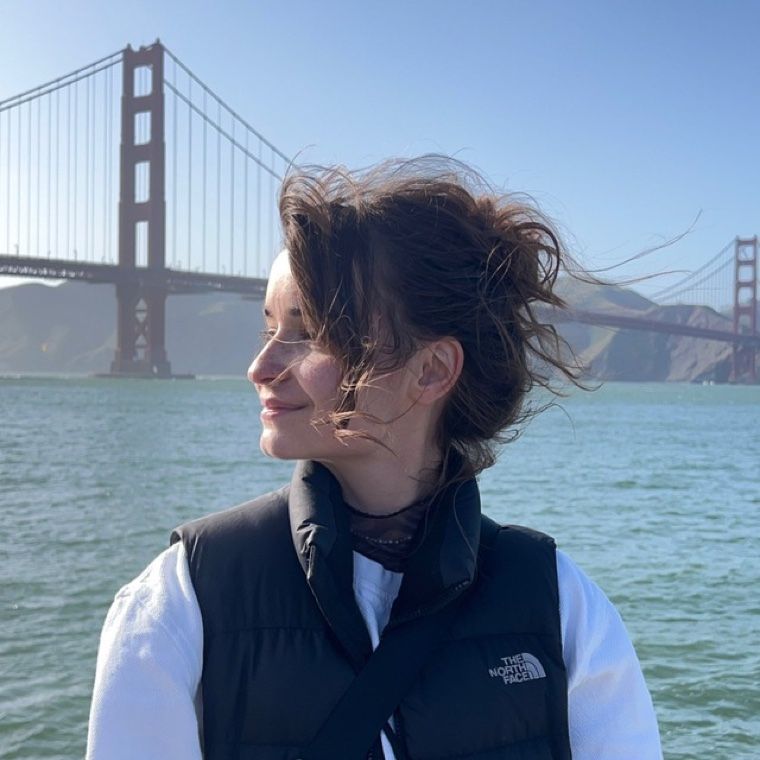
Co-founder · Design & Strategy

Full-Stack Developer
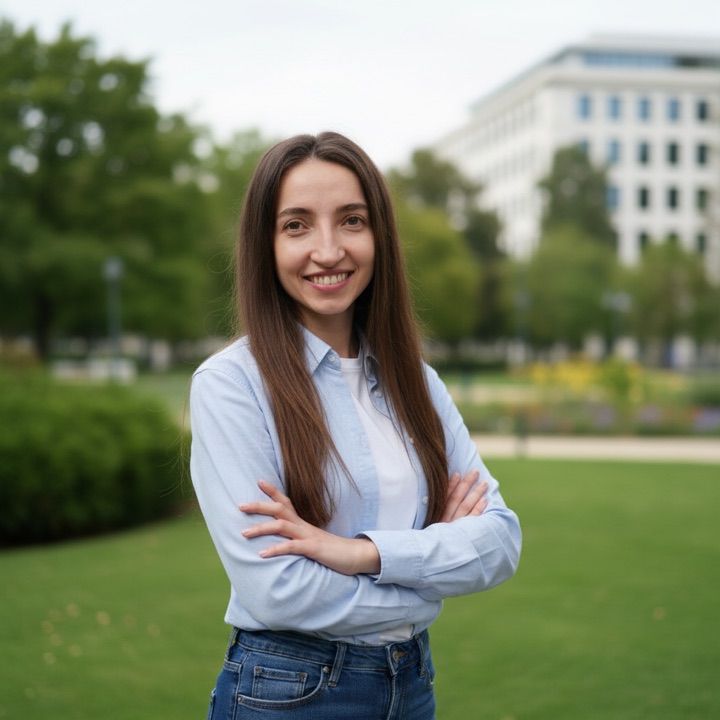
Full-Cycle SEO Specialist

QA Engineer
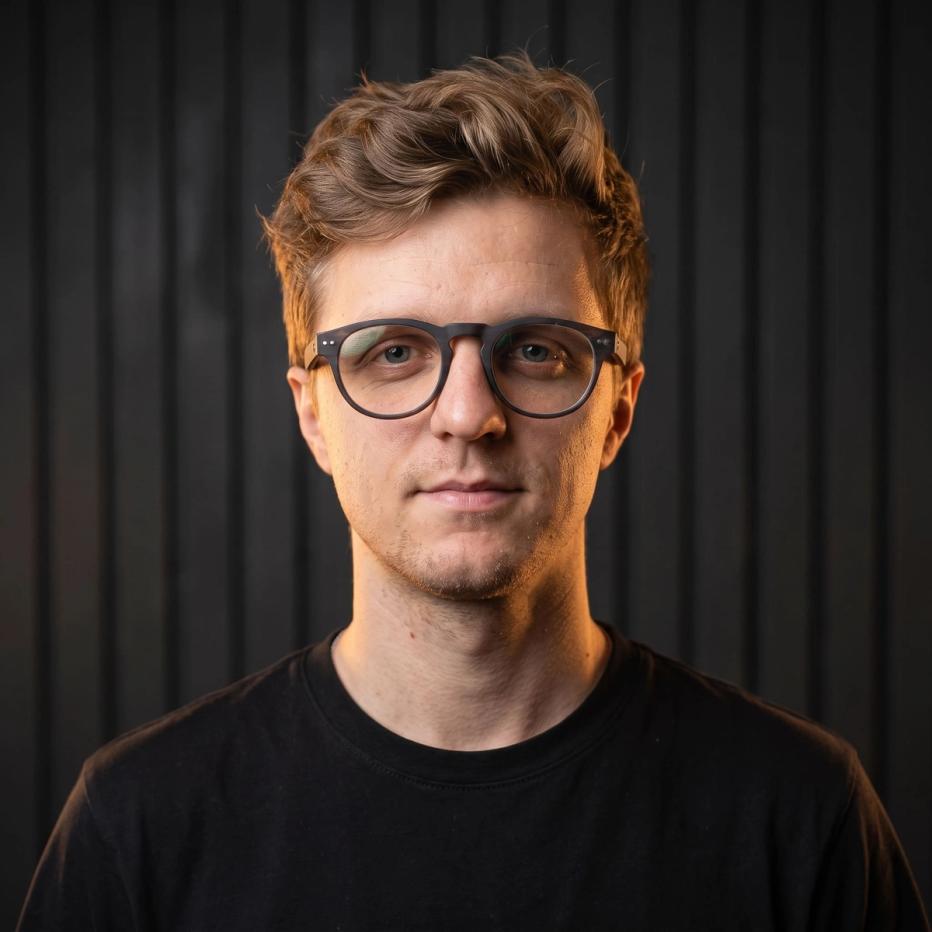
“I've spent 10 years working across development and marketing. I started as a developer, but design, SEO and advertising were already part of the job. That taught me to treat a website as one system: the business, the content, the design and the code have to work together. At Norml, I lead the architecture behind our work and stay involved wherever strategy, design, development and search meet.”
Max TymoshynFounder & Architect
Get started