One subject, three readings
Structuring content so a patient, a referring clinician and a partner each find their level stops the site being written for whoever shouted loudest.


Norml designs and builds the websites of pharmaceutical, genomics and health platforms. For teams whose buyers are clinicians, investors and procurement, where the site has to explain real science without flattening it and stand up to a careful reader.
A few clients we’ve worked with






Healthcare web design for pharma, life-science and health platforms — information architecture, a design system, and a build that explains complex science to the people who have to evaluate it.
The science is explained so carefully that nobody outside the lab finishes the page, or simplified so far that a specialist stops trusting it.
A clinician, an investor and a procurement officer all read the same page, and it was written for none of them.
The company is real and funded, and the website makes it look like a pilot project.
The site already carries the business through search and paid traffic, so nobody dares redesign it.
Each therapeutic area or product line publishes its own way, because there is no system to publish from.
Healthcare pages are read by patients, clinicians and sometimes a reviewer, and they rarely want the same thing from the same sentence. The language has to work for all three.
Structuring content so a patient, a referring clinician and a partner each find their level stops the site being written for whoever shouted loudest.
Working from approved source material and keeping evidence visible is what lets the site be checked rather than rewritten under pressure.
Finding a service, a location or a way to book should not be the hardest part of the visit.
Seven things, in the order we do them. Web design for healthcare starts with the science you actually have to communicate and the audiences that have to act on it; Norml can take the whole scope or work beside your medical, marketing and development teams.
Which pages exist, what each one has to prove, and how a clinician and an investor each reach what they came for. For InheriNext we mapped 50-plus pages before designing five.
Translating the science into the words the buyer uses, without losing the accuracy that makes it credible. Written with your team, against the product as it exists.
Structure agreed before anything is styled, so design review is about design and not about what belongs on the page.
Components, states and responsive rules. For AstraZeneca the system also carried a colour identity per therapeutic area, so campaigns from R&I, Cardio, Diabetes and Oncology stayed distinguishable.
WordPress, or a custom application when the job is a platform rather than a site. AstraZeneca’s internal marketing platform runs on AWS with NestJS and PostgreSQL behind a React front end, tested end to end.
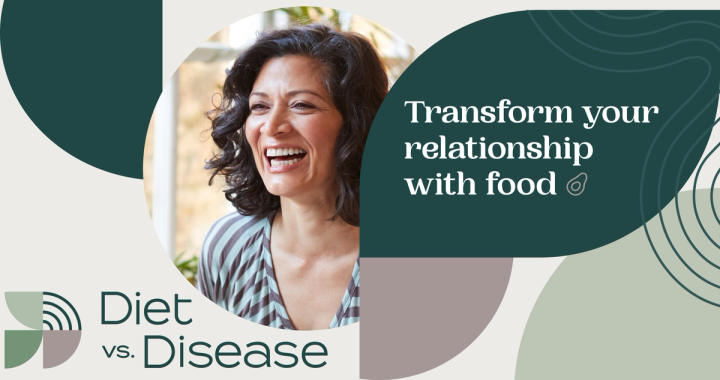
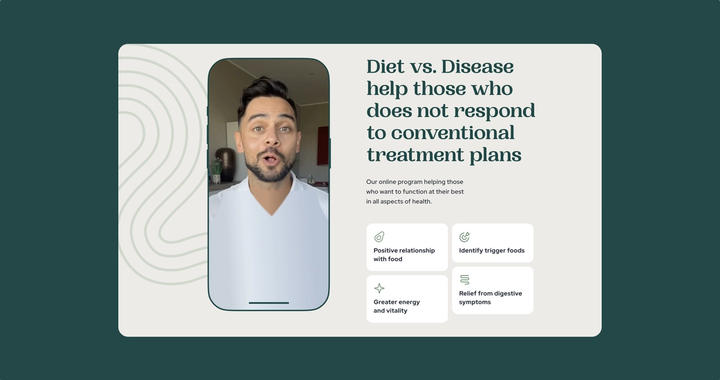
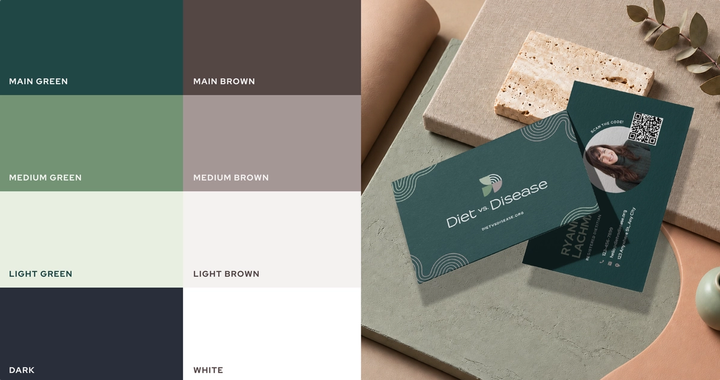
When the current site is already generating leads, we rebuild in slices and check traffic and tracking at each step. Diet vs Disease moved off Elementor onto a custom theme with its SEO and paid traffic running throughout.
Technical SEO, and content produced with writers who know the field. For InheriNext that meant sourcing specialist genomics copywriters rather than generalists.
Reviews from the companies we have built and maintained websites for.
Read every review on Clutch“I was impressed by Norml Studio's good communication and efficiency.”
“We didn’t choose them to be impressed — we chose them because we knew they’d deliver high-level results with no risk. As a CTO myself, that’s exactly what I look for in a long-term partnership.”
“And, you know, the great part about the fact that you hit the goal, it's not that you had to compromise anything that you were doing, because, honestly, the end result far exceeded what we could have imagined.”
“I would just say that you deliver on quality … I just thought we clicked, and you delivered what we were looking for.”
The exact scope depends on the product and the audiences. A typical healthcare engagement hands over the following:
A page map you can hand to anyone — every URL, its job, and which audience it serves.
A Figma design system with components, states and responsive rules.
Page content written against the product as it exists, reviewed by your team.
A built site on WordPress, or a custom platform where the job needs one.
A staged migration plan with redirects, so an earning site keeps earning.
Analytics and Search Console configured on day one, not after launch.
A handoff session and the files, so nothing about the site depends on us staying.
Our process
We read the product, the analytics and the sales conversations. Not a questionnaire. You get the diagnosis — which audience stalls where, and what the current site fails to explain.
[ 01 ]Page map, URL structure and what each page has to prove for each audience. A sitemap you can argue with before anything is designed.
[ 02 ]Wireframes first, then the system in Figma. Components and states, not a stack of static screens.
[ 03 ]WordPress, or a custom application where the job is a platform. A site your team can edit without a developer.
[ 04 ]Redirects, analytics, Search Console, speed. Where the current site already earns, it ships in slices and nothing goes live unchecked.
[ 05 ]No account layer between you and them. These are the Norml specialists this work runs through.

Founder & Architect

Co-founder · Design & Strategy

Full-Stack Developer

Full-Cycle SEO Specialist

QA Engineer

“I've spent 10 years working across development and marketing. I started as a developer, but design, SEO and advertising were already part of the job. That taught me to treat a website as one system: the business, the content, the design and the code have to work together. At Norml, I lead the architecture behind our work and stay involved wherever strategy, design, development and search meet.”
Max TymoshynFounder & Architect
Get started