People find the product
Catalogue structure, navigation and filters decide whether a visitor reaches the right item or leaves from a listing page that nearly matched.


Norml designs and builds stores for brands that already sell — the catalogue structure, the design system, the storefront, and the fulfilment and marketing plumbing behind it. Rebuilt in slices, so traffic and revenue never stop while the new store goes live.
A few clients we’ve worked with









Ecommerce web design for retail and consumer brands — catalogue structure, a design system, the storefront build, and the automation behind the order.
The theme was chosen when the catalogue had 40 products, and every new category now fights the template.
Fulfilment, review requests and customer questions are still done by hand, so growth costs staff hours rather than earning margin.
Ad spend rises and return on it falls, because nothing on the site tells you which product or campaign actually paid.
The brand looks one way on Instagram and another on the product page, and the gap is doing quiet damage to conversion.
A redesign has been postponed for two years, because nobody can promise the rankings and the revenue will survive it.
A store is judged on two things a visitor decides in seconds: can I find the thing, and do I believe you will ship it. Everything else is downstream of those.
Catalogue structure, navigation and filters decide whether a visitor reaches the right item or leaves from a listing page that nearly matched.
Shipping, returns and stock stated before the basket are the questions that quietly end a purchase when the page makes someone hunt for them.
When the store, the stock and the back office agree, growth in volume does not arrive as growth in manual work.
Seven things, in the order we do them. Web design for ecommerce starts with the catalogue you actually have and the orders you actually get, so custom ecommerce web design begins with your range rather than a theme; Norml can take the whole scope or work beside your in-house team.
How the range is grouped, what a category page has to prove, and the route from a browse to a checkout. Built around how people shop the catalogue, not how the warehouse files it.
The page that closes the sale. For Vona Bride we built a directory organised by designer, with a page per gown carrying its own photography, pricing and detail — because brides browse and come back before they ever book.
Components, states and responsive rules, so the fortieth product page looks like the first and a seasonal launch does not need a designer.
WordPress with WooCommerce, or a headless front end — on the stack your team can actually run. Including replacing a page-builder store that has become too slow to fix.
We rebuild in slices and ship them one at a time, watching traffic and tracking at each step. That is how we moved Polaclub onto a new store with no disruption, and how we migrated Diet vs Disease off Elementor while its SEO and paid traffic kept running.
The manual work that scaling makes unbearable. For Polaclub that meant review collection over email and SMS, warehouse fulfilment wired into the carrier, and an AI support assistant answering from the real product catalogue.
Conversion tracked per product so campaigns have something real to optimise against, plus the SEO and paid work to bring people in. Configured at launch, not bolted on after.
“What I appreciate most is that the team always communicates openly and stays honest throughout.”
“They delivered what they said they would, on time.”
“They met all our expectations by providing great strategies based on our needs.”
The exact scope depends on the catalogue and the stack. A typical ecommerce engagement hands over the following:
A catalogue and URL map you can hand to anyone — every page, its job, and what links to it.
A Figma design system with components, states and responsive rules.
Product and collection page templates written against the real range.
A built storefront on WooCommerce or a headless front end — your team runs it.
A staged migration plan with redirects, so rankings and paid traffic hold.
The order, review and support automations wired to your real tools.
Analytics and Search Console configured on day one, conversion tracked per product.
A handoff session and the files, so nothing about the store depends on us staying.
Our process
We read the catalogue, the analytics and the support inbox. Not a questionnaire. You get the diagnosis — where shoppers drop out and which manual step is costing the most.
[ 01 ]Category structure, URL map and what each page has to prove. A map you can argue with before anything is designed.
[ 02 ]Wireframes first, then the system in Figma. Product and collection templates, not a stack of static screens.
[ 03 ]The storefront, then the automations behind it. A store your team can edit without a developer.
[ 04 ]Section by section, each one checked against the old version before the next ships. Redirects, analytics and Search Console through the whole transition.
[ 05 ]No account layer between you and them. These are the Norml specialists this work runs through.

Full-Stack Developer · E-commerce

Co-founder · Design & Strategy
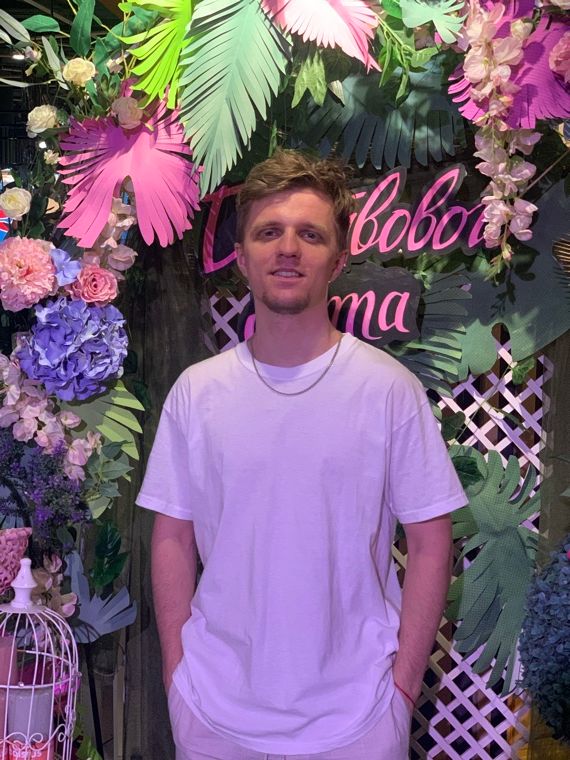
Founder & Architect

Full-Cycle SEO Specialist

QA Engineer

“I've spent 10 years working across development and marketing. I started as a developer, but design, SEO and advertising were already part of the job. That taught me to treat a website as one system: the business, the content, the design and the code have to work together. At Norml, I lead the architecture behind our work and stay involved wherever strategy, design, development and search meet.”
Max TymoshynFounder & Architect
Get started


