Listings stay current without manual work
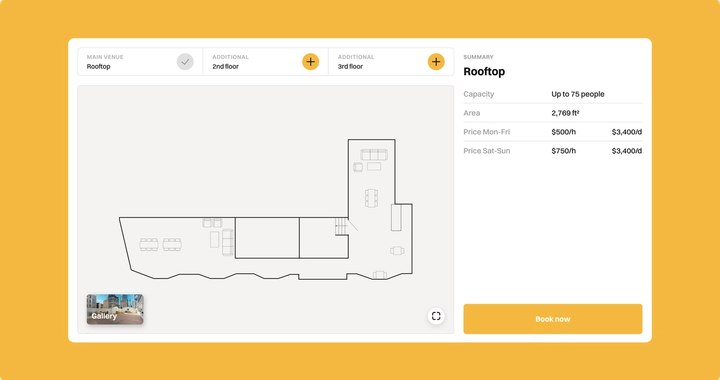
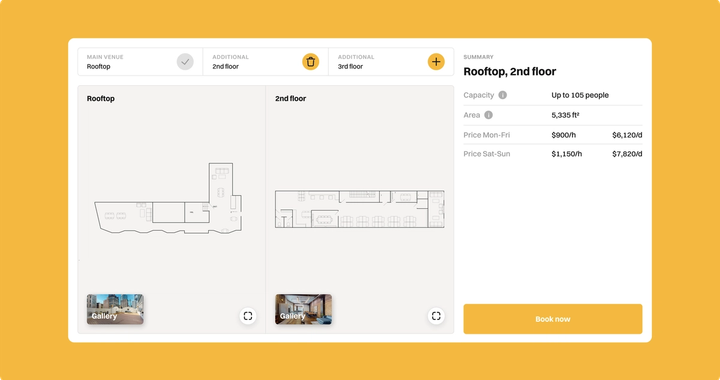
When the website reads from the system that already holds the properties, nobody is re-typing availability and nothing shows as available after it sold.


Norml designs and builds websites and platforms for property investors, brokerages and multi-service operators. The architecture, the design system, the build, and the capture and routing behind every enquiry, so a lead reaches the right person before it goes cold.
A few clients we’ve worked with





Real estate web design for investors, brokerages and property operators — site architecture, a design system, and the lead capture and routing that turns an enquiry into a deal.
Forms sit disconnected from the CRM, so somebody retypes every enquiry by hand before anyone can follow up.
Leads arrive from search, paid ads and referrals with no coordination, and nobody can say which source is worth the spend.
Manual routing eats hours a day, and as volume rises follow-up slows down exactly when speed matters most.
The business runs several service lines, and the same offer is called three different names across the site.
Conversions are not tracked per service, so advertising has no real signal to optimise against.
Property is a high-value, slow decision with a fast first step. The site has to win the enquiry and then not lose it in the handling.
When the website reads from the system that already holds the properties, nobody is re-typing availability and nothing shows as available after it sold.
Capturing the few fields your team actually needs is the difference between a lead you can act on and a name with no context.
Routing an enquiry straight into the system the team works in removes the gap where interest cools.
Seven things, in the order we do them. Web design for real estate starts with the enquiry you actually get and where it currently stalls; Norml can take the whole scope or work beside your marketing and sales teams.
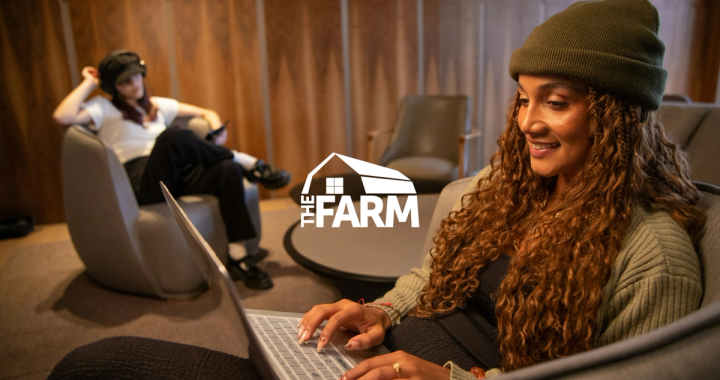
Defining what the business offers and naming it once. The Farm Soho runs five lines — co-working, event spaces, long-term leasing, turnkey offices and virtual mailboxes — and we mapped and standardised all five before touching the design.
Which pages exist, what each one has to prove, and the route from a search to an enquiry. Dedicated pages per service rather than one page trying to serve every audience.
Components, states and responsive rules, so a new service or location page looks like the rest without a designer being involved.
For Metroplex Homebuyers we built conditional forms that adapt to the property type and the seller’s situation, pre-filled from the Zillow API, plus a "what is my house worth" calculator that engages a visitor and qualifies them at the same time.
Every enquiry into the CRM with the right tags and owner, immediate notification, then staged email and SMS sequences. Metroplex ran on Zoho; we wire to whatever you already use.
DoorKnockPro needed field teams to draw zones on a map, filter thousands of properties, generate an optimised driving route into Google Maps, and track QR-coded door hangers straight back into the CRM. That is software, not a website, and we build it.
Conversion tracked per service so campaigns have real data, and the technical and content work to earn the traffic. For The Farm Soho we built the tracking layer, connected it to Google Ads for the first time, and produced a location-page system of 500-plus pages a content editor manages without code.
“They focused on how to make our daily operations easier, not just on building features for the sake of it.”
“They understood that the app needed to be practical for someone sitting in a car, not just look good on a desktop.”
The exact scope depends on how many service lines and lead sources are in play. A typical engagement hands over the following:
A defined service line with standardised names and a clear hierarchy.
A page map you can hand to anyone — every URL, its job, and which service it serves.
A Figma design system with components, states and responsive rules.
Enquiry forms and calculators wired to your CRM with routing and follow-up.
A built site, or a custom platform where the work is operational rather than marketing.
Conversion tracking per service, connected to your ad accounts.
A handoff session and the files, so nothing about the site depends on us staying.
Our process
We read the analytics, the ad accounts and the CRM, and we follow one real enquiry end to end. You get the diagnosis — where the lead stalls and what it costs.
[ 01 ]Service structure, page map and URL plan. A sitemap you can argue with before anything is designed.
[ 02 ]Wireframes first, then the system in Figma. Service and enquiry templates, not a stack of static screens.
[ 03 ]The site, then the capture, routing and follow-up behind it. Editable by your team without a developer.
[ 04 ]Redirects, analytics, Search Console, speed, and conversion tracking live per service from day one.
[ 05 ]No account layer between you and them. These are the Norml specialists this work runs through.

Founder & Architect

Co-founder · Design & Strategy

Full-Stack Developer

Full-Cycle SEO Specialist

QA Engineer

“I've spent 10 years working across development and marketing. I started as a developer, but design, SEO and advertising were already part of the job. That taught me to treat a website as one system: the business, the content, the design and the code have to work together. At Norml, I lead the architecture behind our work and stay involved wherever strategy, design, development and search meet.”
Max TymoshynFounder & Architect
Get started